

Current Initiatives
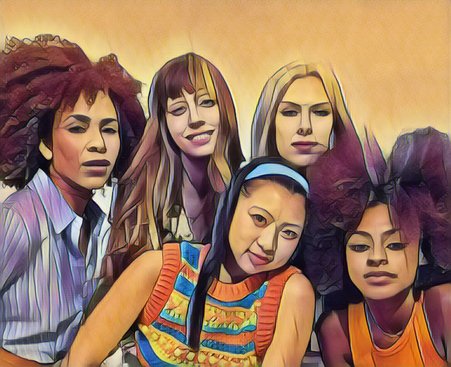
Menopolooza Cowichan
A bold, joyful, no BS celebration of menopause, perimenopause and mid-life power. Real talk, real tool, real community.
Coming Fall 2026
-
Dates, time, location and ticket sales are all coming soon!
Join us for two glorious days dedicated to empowerment, education, and connection, with a healthy side of humour, hot flashes, and delicious catered lunches.
-
Real talk about menopause, perimenopause, and all the weird and wonderful changes nobody warned us about.
Incredible speakers who actually know what they’re talking about (no snake oil, no gimmicks, no multi-level marketing pitches).
A safe, smart, hilarious crowd — no jerks allowed.
A gourmet lunch each day, because we are NOT doing menopause hungry.
New friends, real connections, and some serious collective magic.
-
Dr. Tracy Rogers: Obstetrician-Gynaecologist, surgeon, educator, and unapologetic advocate for women’s health across the lifespan.
Hyamiciyè (Della Rice Sylvester): Indigenous (Qu’wutsun) medicines for menopause.
Bryn Meadows: Registered Professional counsellor, Certified Daring Way™ Facilitator, and founder of Menopolooza and the Bloom Recovery Program.
Ala̱g̱a̱mił (Nicole Norris): Cultural (Halalt) practitioner for over 20 years, with a background in medical science, looking at menopause as a new coming of age.
… and pharmacists, counsellors, fitness coaches, dieticians, and so much more!
Coordinated Access
Coordinated Access in the Cowichan Valley is a community-informed, Indigenous-led approach designed to make it easier for people experiencing or at risk of homelessness to access housing, wellness, and support services.

-
Locally known as Nuts'a'wuqw Lelum, the system brings community partners together to create a more coordinated and responsive approach to addressing homelessness. The Cowichan Women’s Health Collective (CWHC) serves as the region’s Coordinated Access Lead Agency and an Indigenous Stream Community Entity with United Way British Columbia.
-
At the heart of the system is a common approach to assessing needs and connecting people with appropriate housing and supports. The work is guided by local knowledge, Elders, knowledge keepers, and community working groups, with a focus on decolonizing and community-driven approaches.
-
By bringing organizations and services together, Coordinated Access aims to reduce barriers, improve connections to housing and support, and help people find the resources they need to move toward greater stability and wellness.